Getting a New Fence Past Your HOA the First Time
Most HOA fence rejections are not about the fence. They are about the paperwork.
September 8, 2026 · 3 min read
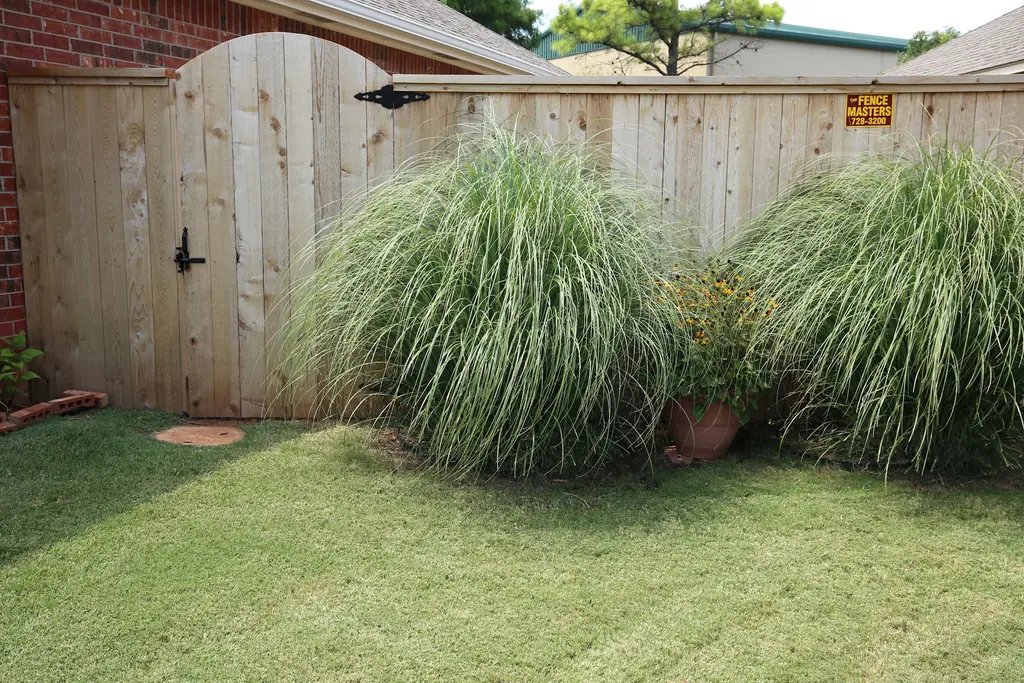
If you live somewhere with an HOA in the Oklahoma City metro, the fence itself is usually not the hard part. The approval process is. A board that meets once a month, a submission that is missing one piece of information, and suddenly a straightforward cedar fence turns into a six week wait because the packet has to go back on next month's agenda.
We help with HOA approval by providing photos and specs when a homeowner needs them, and after enough of these over the years, the pattern in what gets rejected the first time is pretty consistent. It is almost never the design. It is almost always the paperwork.
What boards actually ask for
Most architectural review committees are working from a checklist, not a personal opinion about your yard. They generally want to see height, material, and in some cases a color or finish, matched against whatever the community's covenants already specify. A submission that answers those questions clearly, with actual numbers and material names instead of general descriptions, moves faster than one that says something vague like "wood privacy fence."
- Exact height (we build 6ft and 8ft, so state which)
- Material and construction, stated specifically: kiln dried Western Canadian Red Cedar, 7/8 inch, steel posts, 1x4 pickets with cap and trim
- A site plan or photo showing where the fence line falls relative to the property boundary
- Whether the fence will be stained, and if the covenants specify a color
Why photos and specs move things along
A board that has to imagine what a fence will look like is a board that is more likely to table the decision and ask for more information, which restarts the whole timeline. A packet that already includes photos of comparable work and a clear written spec removes that guesswork. It is a small amount of extra effort up front that usually saves weeks on the back end.
This is part of why we have built for HOAs, multi-family properties, and other managed communities across the metro for a long time. A clear bid and a steady schedule matter as much to a board as they do to a single homeowner, because a board is trying to plan around it too, often for more than one property at a time.
Reading the covenants before you design anything
Covenants vary a lot from one community to the next, and they are usually written years before any specific homeowner's project, so they can be vague on exactly the details a board ends up caring about most, like whether a fence has to face the finished side outward toward the street or whether stain color needs board approval. Reading the actual covenant language for fences before designing anything, rather than assuming it matches what a neighbor built, saves a round trip. A board that has to explain a rule you could have read yourself is a board that is more inclined to send the whole packet back rather than approve it with a note.
The timing mistake that costs the most
The single most common delay is submitting for approval and scheduling the install in the same breath. Most boards meet on a fixed monthly cycle, and if a submission is incomplete or arrives after the cutoff for that month's meeting, the whole thing slides to the following month. Getting a written spec and photos ready before you submit, rather than promising to send them later, is what keeps a fence on this month's agenda instead of next month's.
What to do if it still gets bounced back
Sometimes a rejection is genuinely about something specific to your covenants, like a height cap or a restriction on a certain material along a particular boundary. In that case the fastest path is not resubmitting the same packet and hoping. It is asking the board directly what specific line item did not match, and adjusting the plan to answer that one thing before the next submission.
A fence going up in a managed community is rarely just about the fence. It is about a packet, a meeting date, and a board doing its job the way it is supposed to. Coming in with clear specs and real photos the first time is the simplest way to make sure the only thing that comes up at the meeting is a vote, not a request for more paperwork.
Fence Masters — (405) 728-3200
Call (405) 728-3200More articles
Will a Cedar Fence Actually Hold Up in Oklahoma Wind?
The wood gets the credit, but the wind test is really won or lost underground.
Built From Scratch vs. Box Store Panels: What the Difference Actually Costs You
The difference is not really about looks. It shows up years later, at the posts and the gate.